← StoriesArticle
Nike SB Dunk Authentic vs. Replica: How to Spot the Differences
The Nike SB Dunk is a beloved sneaker in the skate and streetwear communities, known for its comfortable fit and stylish designs.
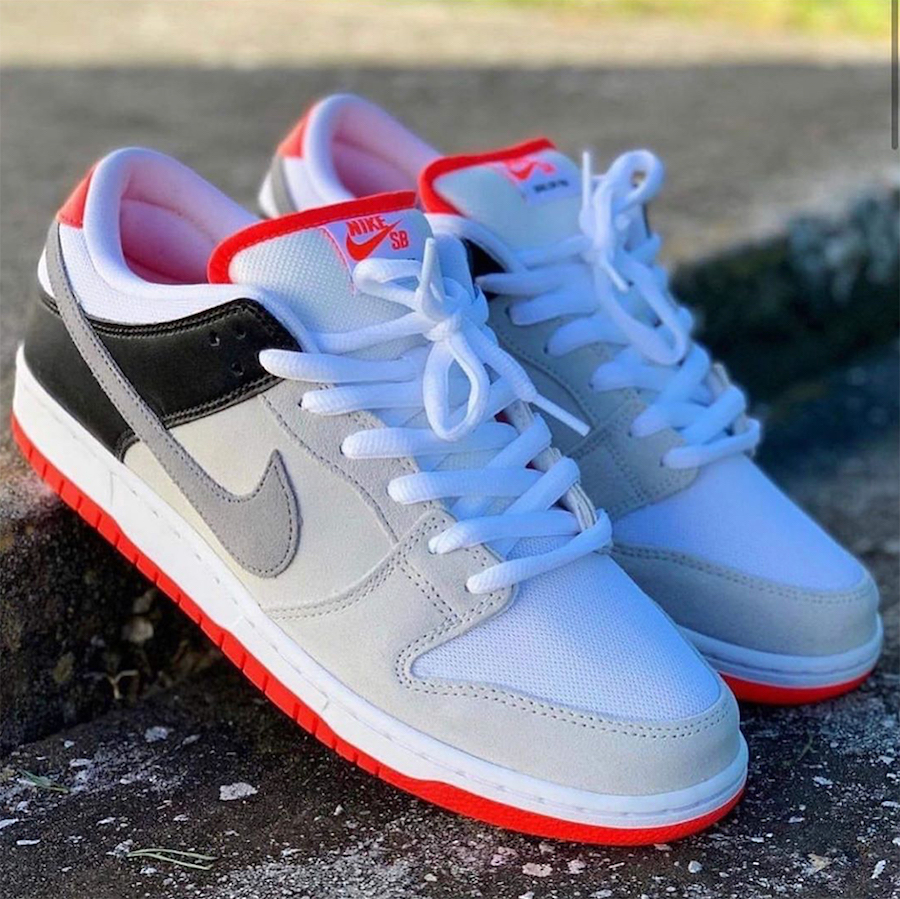
The Nike SB Dunk is a beloved sneaker in the skate and streetwear communities, known for its comfortable fit and stylish designs. However, with its popularity comes the risk of replicas flooding the market. Knowing how to distinguish authentic pairs from fakes is essential for collectors and enthusiasts. In this guide, we will examine specific details like logo placement, sole texture, stitch count, and packaging to help you spot the differences between real and counterfeit Nike SB Dunks.
Logo Placement: Key Identifiers
One of the most noticeable differences between authentic and replica Nike SB Dunks is the placement of the logo. On genuine pairs, the Nike swoosh is generally well-aligned and proportionate to the shoe's design. For example, on the Nike SB Dunk Low, the swoosh typically sits slightly higher on the shoe's side panel, maintaining a consistent distance from the toe box.
In contrast, replica pairs often exhibit inconsistencies in logo alignment and size. A common issue is the swoosh being placed too low or being overly large, which can immediately raise suspicions regarding the pair’s authenticity. Checking the logo placement against official images from Nike’s website or reputable retailers can provide a clear benchmark.
Sole Texture: Feel and Look Differences
The sole of the Nike SB Dunk is designed for both performance and style, featuring a specific tread pattern. Authentic pairs have a slightly more aggressive tread pattern with defined grooves that offer better grip, particularly beneficial for skateboarding. The rubber used on genuine pairs also tends to have a more pliable feel compared to replicas.
Replicas often struggle to replicate the same textural quality. The sole may feel stiffer, and the tread pattern may not have the same depth or detail as the authentic version. If you have access, examining the sole in person or comparing it to a known authentic pair can reveal these discrepancies.
Stitch Count: Precision in Craftsmanship
Another vital aspect in identifying if a Nike SB Dunk is authentic is the stitch count. Authentic pairs typically feature a high-quality stitching job with a consistent stitch count—usually around 8-10 stitches per inch on the toe box area. This level of craftsmanship ensures durability and a clean finish.
In comparison, counterfeit pairs often have uneven stitching or a lower stitch count, reflecting a lack of quality control. A quick inspection of the stitching around the seams can help you determine authenticity; if the stitches appear sloppy or are missing altogether in certain areas, it’s a strong indication that you’re looking at a replica.
Packaging: What to Look For
The packaging of Nike SB Dunks can also provide insight into their authenticity. Genuine pairs typically come in a sturdy box with a clean design featuring the Nike branding and relevant model information. Inside, the shoes are often wrapped in quality tissue paper adorned with the Nike logo. The box lid should fit snugly with no signs of damage or excess glue.
Replicas may come in flimsy boxes, and the overall print quality may be inferior. Details such as the model name, size tag, and UPC code should be checked carefully. Genuine boxes often have a specific code that matches the SKU of the shoes. If the box appears inconsistent or damaged, it’s worth investigating further before making a purchase.
Additional Features to Consider
In addition to the previously mentioned features, several other elements can help differentiate authentic Nike SB Dunks from their replicas. Look for the quality of the materials used in the upper; genuine pairs utilize premium materials that feel soft and durable. In contrast, replicas often use cheaper materials that may feel plastic-like or overly stiff.
Furthermore, the insoles in authentic pairs are typically well-cushioned and feature quality printing of the Nike logo and SB branding. Replicas may have poorly printed logos or thin insoles that don’t provide the same comfort level. Another area to check is the heel tab; authentic Dunks often have a more structured and well-defined heel tab compared to the flimsy counterparts found on replicas.
Lastly, always consider buying from reputable sources. When in doubt, purchasing from authorized retailers or directly from Nike can ensure that you’re getting an authentic pair of Nike SB Dunks.