← StoriesAuthentication
Nike Cortez Real vs Fake Comparison Guide
The Nike Cortez has cemented its place in sneaker culture since its debut in 1972. With its iconic silhouette and countless colorways, it remains a favorite among sneakerheads and...
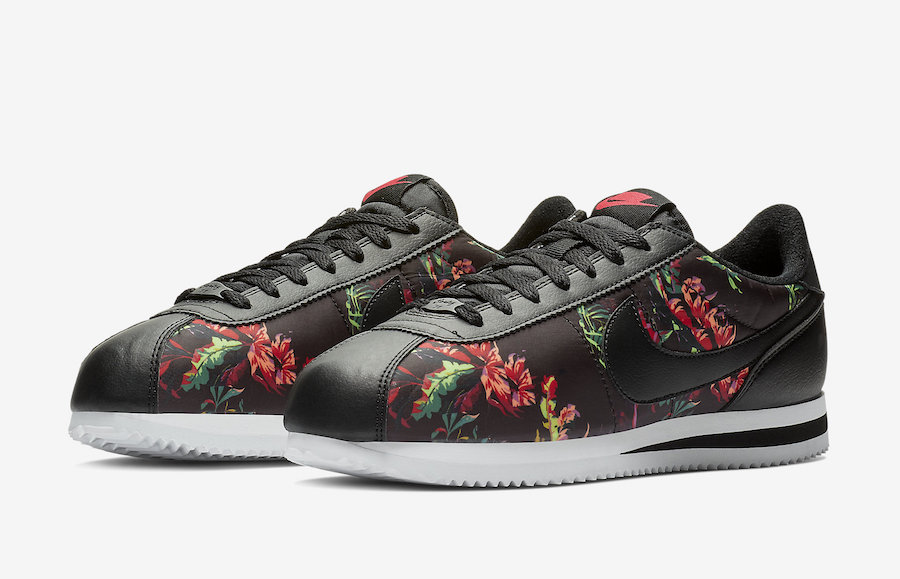
The Nike Cortez has cemented its place in sneaker culture since its debut in 1972. With its iconic silhouette and countless colorways, it remains a favorite among sneakerheads and casual wearers alike. However, the popularity of the Nike Cortez has led to an influx of counterfeit versions flooding the market. Knowing how to differentiate between genuine and fake pairs is essential for any sneaker enthusiast. In this guide, we will break down the key differences in logo placement, sole texture, stitch count, and packaging.
Understanding Logo Placement on Nike Cortez Shoes
One of the most identifiable features of the Nike Cortez is its logo placement. On authentic pairs, the Nike Swoosh is typically located centrally on the side panel of the sneaker. It should be cleanly embossed and well-defined, with no smudging or inconsistencies.
In contrast, replica pairs often display subtle but significant differences. Some fakes may have the logo positioned too far back or forward, even affecting the overall balance of the shoe’s design. It’s crucial to examine the size and alignment of the Swoosh; authentic logos are usually slightly raised and feature a crisp finish.
Examining the Sole Texture and Design
The sole of the Nike Cortez is another telltale sign when determining authenticity. Authentic pairs feature a textured rubber outsole with a unique, wavy design that provides both grip and durability. This texture is not just for aesthetics; it is carefully engineered to enhance performance and wear. Authentic soles are also more rigid and can withstand a significant amount of wear.
Fake versions, however, often use lower-quality materials that compromise both texture and flexibility. You may notice that the sole feels softer and is more easily manipulated. Additionally, the tread may appear less defined and lack the signature wavy pattern present in genuine Cortez models.
Counting Stitches: Authentic vs. Fake Nike Cortez
Another critical aspect to consider is the stitching on the Nike Cortez. Authentic pairs feature consistent stitching that showcases a high level of craftsmanship. Typically, you can expect to see a certain stitch count per inch, which is generally between 10-12 stitches. This attention to detail reflects the quality control standards that Nike upholds.
In contrast, counterfeit Cortez sneakers may exhibit uneven or sparse stitching, along with loose threads. Some fakes may even have areas where stitching is completely absent. Take a close look at the seams, especially near the toe box and heel, where genuine shoes will have a clean finish.
Assessing Nike Cortez Packaging and Labels
The packaging of a sneaker often goes unnoticed, but it can offer vital clues regarding authenticity. Authentic Nike Cortez pairs come in a high-quality box featuring the Nike branding prominently displayed. The box should open smoothly and have protective paper inside that is also branded properly. Look for any defects like rough edges, poor print quality, or warped surfaces, which are common in counterfeit packaging.
Moreover, the labels on the box should include accurate details such as the style number, colorway, and size — all printed clearly. Fake boxes tend to have misspellings, incorrect font types, or labels that don’t match the matching sneaker's information. Always double-check the product details on the box against the actual pair.
Verifying Additional Features of the Nike Cortez
Besides the major areas mentioned, there are other subtle details that can help you identify a fake Nike Cortez. For example, the tongue label should be well-stitched and feature the proper branding style. Authentic Cortez sneakers will usually have a soft, padded tongue, while fakes may feel overly stiff or poorly constructed.
Another feature to consider is the insole. Genuine Cortez sneakers have a comfortable, cushioned insole with proper branding. Replicas might skimp on padding or use a different material altogether. Lastly, don’t forget to check the color and material quality across the entire shoe. Expect the genuine Cortez to have rich colors and high-quality finishes that fakes cannot replicate.
In conclusion, being able to spot the differences between authentic and fake Nike Cortez sneakers is crucial for anyone looking to invest in a genuine pair. By paying close attention to logo placement, sole texture, stitch count, packaging, and additional features, you can greatly improve your chances of avoiding counterfeits. Equip yourself with this knowledge, and you can confidently step into the sneaker game knowing you have the real deal.