← StoriesArticle
Spotting Counterfeits: A Guide to Authentic Nike Air Force 1s
The Nike Air Force 1 has been an icon in the sneaker world since its debut in 1982. Renowned for its timeless design and versatility, it has also become a target for...
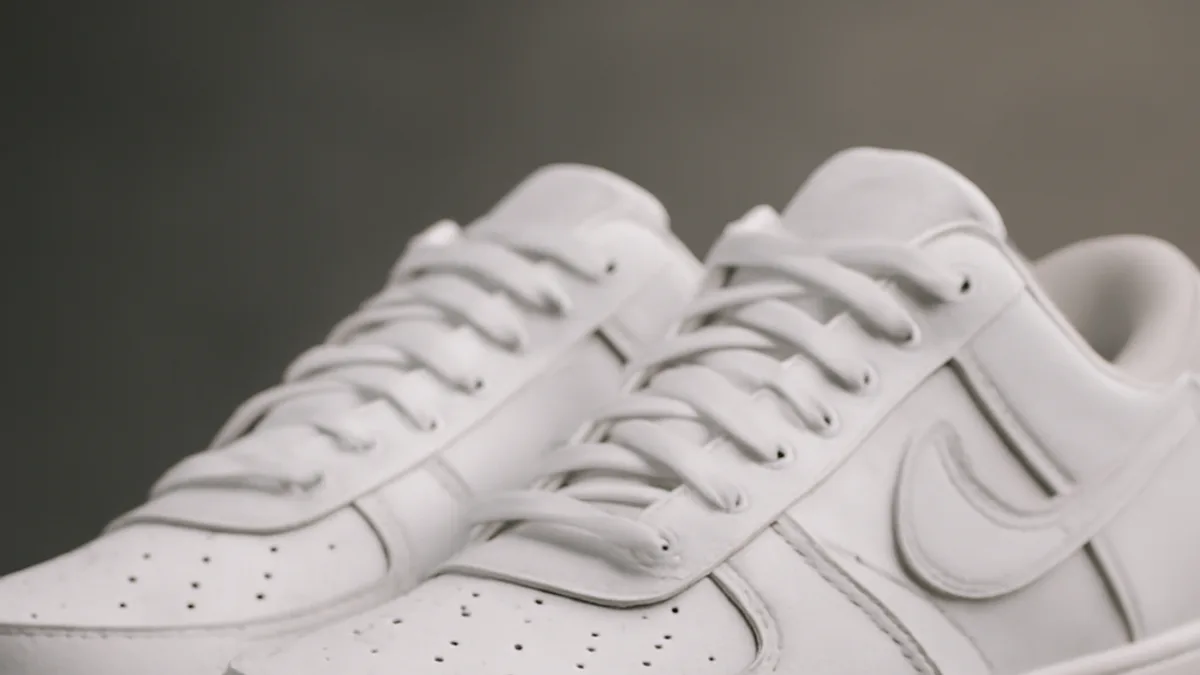
The Nike Air Force 1 has been an icon in the sneaker world since its debut in 1982. Renowned for its timeless design and versatility, it has also become a target for counterfeiters. With the surge in fake versions flooding the market, knowing how to distinguish between authentic and replica pairs is essential for collectors and casual wearers alike. Here’s a detailed guide to help you spot the differences that can affect authenticity.
Logo Placement and Quality
The first detail to examine when assessing the authenticity of Nike Air Force 1s is the logo placement. On genuine pairs, the Nike Swoosh logo is perfectly aligned with the stitching on the side of the shoe. The height from the ground to the logo should be consistent across all authentic pairs, typically sitting about an inch above the sole. In contrast, many replicas feature poorly placed logos that may be too high or low, or unevenly stitched.
Furthermore, the quality of the logo is crucial. An authentic Air Force 1 will have a sharp, clean Swoosh that is free from any smudging or blurring. On fake models, the logo can appear less defined, with inconsistent color or overly glossy finishes.
Examining the Sole Texture
The outsole of the Nike Air Force 1 features a distinct herringbone pattern that is not only visually striking but also serves a functional purpose. Authentic pairs have a well-defined texture, with clear grooves and ridges that provide the necessary grip. To differentiate a fake, pay attention to the depth and clarity of the pattern. Counterfeit shoes often have a smoother sole, lacking the intricate detailing of the original.
Additionally, the color of the rubber can indicate authenticity. Genuine Air Force 1s maintain a consistent shade, while replicas may show variations or have a cheap, overly shiny finish.
Stitch Count and Quality
The stitch count on authentic Air Force 1s is another critical factor when determining authenticity. Typically, you should find an even, dense stitch count that runs evenly along the seams. The thread used on authentic pairs is usually thicker and more durable, while fakes might use thinner, inferior threads that can fray easily.
An effective way to check stitch quality is to look for any loose threads or inconsistencies. Authentic pairs will have tight, consistent stitching without any gaps, while counterfeits will often display irregular or haphazard stitching patterns.
Packaging and Extras
The packaging of your Nike Air Force 1 can reveal a lot about its authenticity. Authentic pairs are typically shipped in a sturdy, well-constructed box with clear Nike branding, including the Swoosh and the model name. The box’s quality should match that of the shoes inside. Look for a label with manufacturing details, including size and SKU numbers printed clearly.
Fake pairs, on the other hand, often come in flimsy boxes or ones that are poorly printed. The sizing labels may also be misaligned or incorrectly formatted, lacking the uniformity seen in genuine packaging.
Final Thoughts on Authenticity Checks
When it comes to purchasing Nike Air Force 1s, being informed about the details that can differentiate authentic products from replicas is crucial. From logo placement to the texture of the sole and the quality of the packaging, each aspect serves as a telltale sign of authenticity. Always take the time to inspect these features before making a purchase, especially when buying from third-party sources.
By staying vigilant and knowledgeable, you can ensure that your next pair of Air Force 1s is the real deal, preserving both the sneaker's cultural significance and your investment.