← StoriesAuthentication
How to Spot Fake Puma Suede Classic Sneakers: A Buyer’s Guide
The Puma Suede Classic has stood the test of time as one of the most iconic sneakers in the game since its debut in 1968.
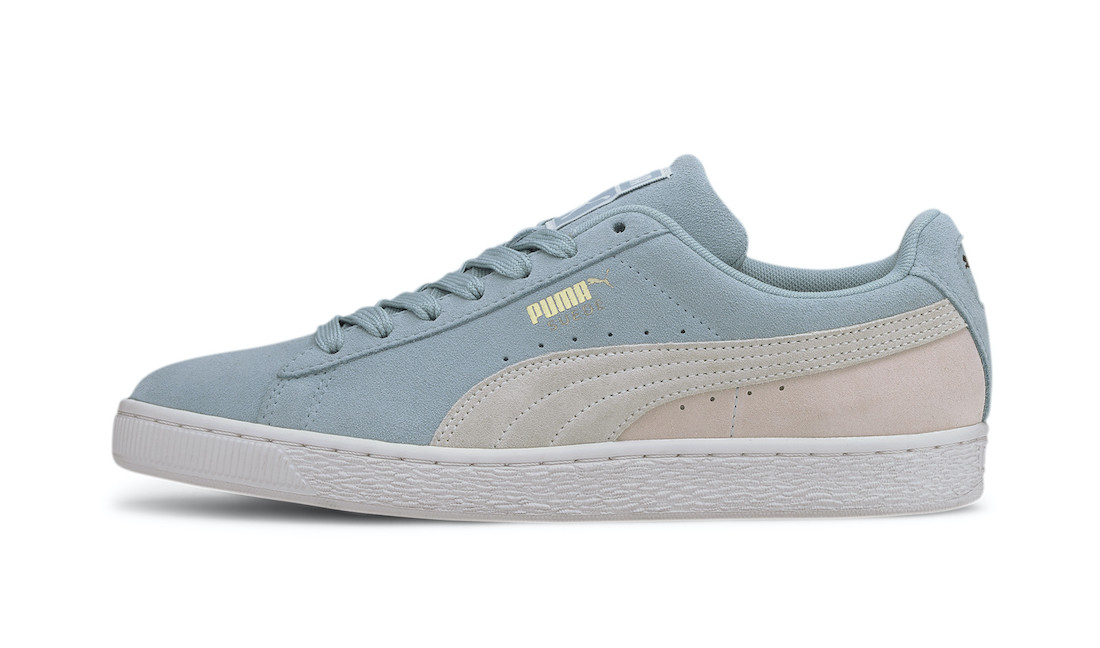
The Puma Suede Classic has stood the test of time as one of the most iconic sneakers in the game since its debut in 1968. As its popularity has soared, so too has the proliferation of counterfeit versions. For sneaker enthusiasts and casual buyers alike, ensuring the authenticity of a pair before purchase is essential. This guide provides a practical checklist for identifying fake Puma Suede Classic sneakers based on critical details like stitching, materials, box and label specifics, sizing tags, and common mistakes made by counterfeiters.
Stitching and Construction Details of Puma Suede Classic Sneakers
The first step in identifying a fake Puma Suede Classic is closely examining the stitching. Authentic Puma Suede Classics feature consistent, even stitching throughout the shoe. Look for the following details:
- Even Stitching: The stitching should be uniform, with no loose threads or uneven seams. Counterfeit pairs often have erratic stitching patterns.
- Thread Color: The thread used should match the color of the suede. If the thread is noticeably darker or lighter, it could indicate a fake.
- Toe Box Stitching: Inspect the area around the toe box; authentic models typically have a double-stitch configuration that counterfeiters frequently overlook.
Additionally, check for any gaps or holes in the stitching that may signify poor construction quality, which is a common trait in counterfeit sneakers.
Materials Used in Authentic Puma Suede Classics
The material quality is another critical factor in determining authenticity. Genuine Puma Suede Classics are made from high-quality suede that feels soft to the touch. Consider these points:
- Texture: Real suede has a distinct soft and fuzzy texture, while counterfeit versions may use synthetic materials that can feel plasticky or overly shiny.
- Flexibility: When bending the shoe, authentic suede will hold its shape and return to form without creasing excessively. Counterfeit shoes often do not have this characteristic.
- Color and Finish: Authentic Puma Suede Classics have vibrant, rich colors, and the finish should be consistent without fading or discoloration.
By examining the materials closely, potential buyers can quickly discern whether a pair is genuine or fake.
Box and Label Details for Puma Suede Classic Sneakers
- Box Quality: Authentic Puma boxes are sturdy and well-constructed. If the box feels flimsy or poorly made, it’s a red flag.
- Label Information: The label on the box should include the shoe model, size, and a barcode. Ensure that the model number matches the number printed on the shoe’s tongue.
- Puma Logo Placement: The Puma logo should be clearly printed and not peeling off or misaligned. Counterfeit boxes often have poorly printed logos.
Taking the time to check the box details can save buyers from making a regrettable purchase.
Sizing Tags and Interior Label Authenticity Checks
Another aspect to examine closely is the sizing tag found inside the Puma Suede Classic. This tag should be consistent with the construction and branding of the shoes:
- Tag Material: Authentic sizing tags are made from high-quality fabric and are stitched in securely. Fake tags may be glued or poorly stitched.
- Font and Spacing: The font used on the sizing tag for the brand name and size should be clear and professional. Distorted or unusual fonts often indicate a counterfeit product.
- Production Date: On the tag, there should be a date of production, which you can cross-reference with Puma's production timelines for that particular model.
By checking these details, buyers can confidently assess whether they are looking at a true Puma product or a cheap imitation.
Common Mistakes and Signs of Counterfeit Puma Suede Classics
- Inconsistent Branding: Counterfeit sneakers may have the Puma logo placed incorrectly or in unusual colors. Always compare with verified authentic models.
- Poor Quality Control: Look for any signs of glue marks, poorly cut materials, or unaligned panels, which counterfeiters often neglect in their rush to produce replicas.
- Pricing Irregularities: If the deal seems too good to be true, it probably is. Authentic Puma Suede Classics typically retail at a standard price range, and any significant discount should raise suspicion.
Being aware of these common errors can help potential buyers navigate the sneaker market and avoid counterfeit products.
In conclusion, carefully inspecting a pair of Puma Suede Classic sneakers involves a multi-faceted approach that includes analyzing stitching, materials, packaging, interior labels, and potential counterfeit mistakes. With this checklist, buyers can confidently assess the authenticity of their next pair of Puma Suede Classics, ensuring they get a quality product while enjoying this classic silhouette.