← StoriesAuthentication
How to Spot Fake Air Jordan 1 High: Checklist Guide
The Air Jordan 1 High is one of the most iconic sneakers in the world, making it a prime target for counterfeiters.
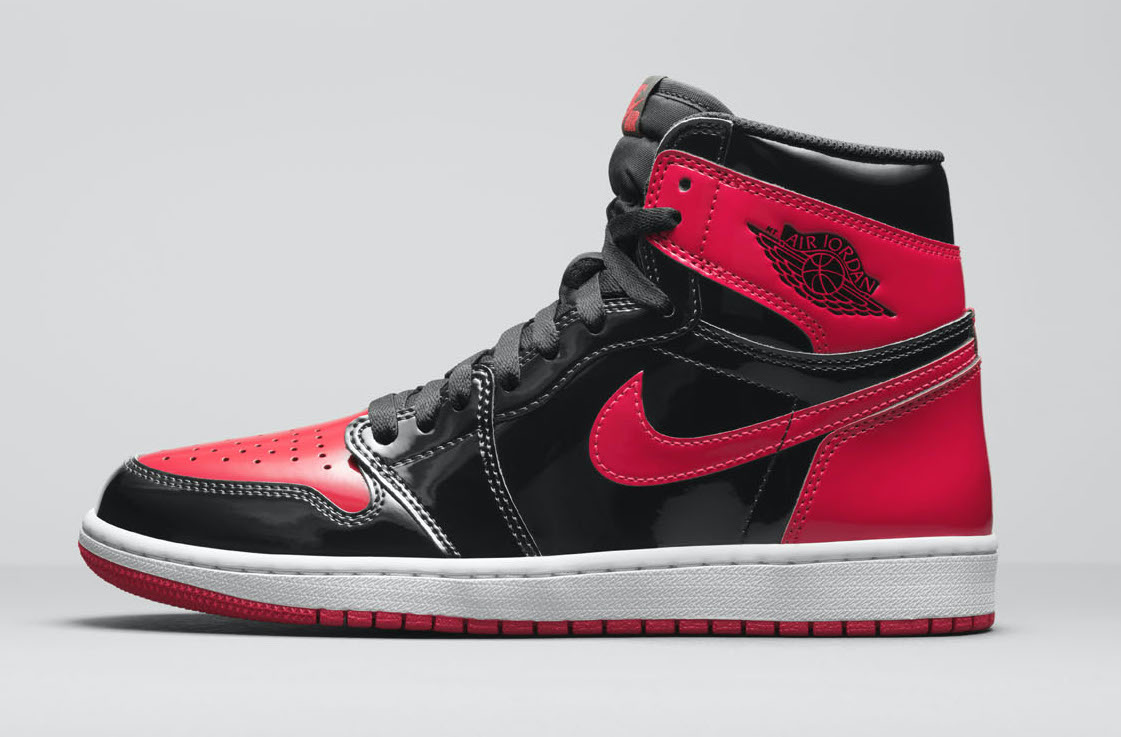
The Air Jordan 1 High is one of the most iconic sneakers in the world, making it a prime target for counterfeiters. If you're considering a purchase, it’s essential to ensure you're getting the real deal. Below is a practical checklist that covers key areas to examine, including stitching, materials, box details, sizing tags, and common mistakes made by counterfeiters.
Examining the Stitching on Air Jordan 1 High
The stitching on a genuine pair of Air Jordan 1 High sneakers is precise and consistent. When inspecting the shoes, look closely at the following points:
- Stitching Quality: Authentic models have tight, uniform stitching with no loose threads. Counterfeit pairs often display uneven threading or misshapen patterns.
- Stitch Count: Check the stitch count between the toe box and the side panel. Real Jordans usually have a specific number of stitches, whereas fakes may vary significantly.
- Color of Threads: The thread color should match the panel colors accurately. Counterfeit versions sometimes use contrasting colors or incorrect shades.
By carefully inspecting these areas, you can often determine whether a pair is authentic or fake.
Assessing Materials Used in Air Jordan 1 High
Authentic Air Jordan 1 High sneakers are made from high-quality materials that feel premium to the touch. Check for the following:
- Leather Quality: The leather should feel soft yet durable. Counterfeit versions may use synthetic materials that feel cheaper and stiffer.
- Swoosh Placement: The Swoosh logo should be placed correctly and proportionally in relation to the rest of the shoe. Fakes often have poorly positioned logos.
- Overall Construction: The overall fit and finish of the shoe should be immaculate. Look for any signs of glue marks or misaligned parts.
Being attentive to these material details can help in spotting a counterfeit.
Inspecting the Box and Label Details for Authenticity
The box that the Air Jordan 1 High comes in also contains crucial details that can help verify authenticity. Pay attention to:
- Box Quality: Authentic boxes are sturdy and well-constructed. Counterfeit boxes may be flimsy or have poor print quality.
- Label Information: The label on the box should include the correct name of the model, size, and SKU number. Compare this information with official listings to ensure accuracy.
- Barcode Scanning: Scan the barcode with your phone; the authenticity of the number can often be checked online. Counterfeit sneakers usually have barcodes that lead nowhere.
These checks can help confirm whether the sneaker is authentic before you commit to a purchase.
Understanding Sizing Tags and Their Importance
The sizing tag inside the shoe provides essential information that can indicate authenticity. Look for the following when checking sizing tags:
- Tag Placement: The tag should be located on the inner side of the ankle collar. Fakes often have tags placed in awkward positions.
- Font and Spacing: Authentic tags feature specific fonts and spacing. Counterfeit tags might have inconsistencies in font size or letter spacing.
- Production Date: Each Air Jordan 1 High has a production date listed. This date should be realistic and align with the release information of the colorway.
Checking these details can provide further assurance regarding the authenticity of the sneakers.
Common Mistakes Made by Counterfeiters of Air Jordan 1 High
- Incorrect Colorways: Fakes may exhibit colors that never existed for that model. Research the official colorways to spot these discrepancies.
- Poor Craftsmanship: Many counterfeit sneakers showcase poor craftsmanship, including misaligned logos, uneven stitching, and shoddy material quality.
- Inaccurate Sizing: Counterfeiters often don't replicate sizing accurately, resulting in shoes that fit differently or feel uncomfortable.
By understanding these common pitfalls, you can better protect yourself from purchasing counterfeit Air Jordan 1 High sneakers.
In conclusion, taking the time to thoroughly examine an Air Jordan 1 High before purchasing can save you from the disappointment of acquiring a counterfeit pair. Use this checklist as your guide, ensuring you check each detail carefully. With the right knowledge, you can confidently enjoy your next sneaker purchase.