← StoriesJordan
Authenticating the Air Jordan 11: A Collector's Guide
The Air Jordan 11 is not just a sneaker; it's an iconic piece of basketball history that has transcended the court to become a cultural symbol.
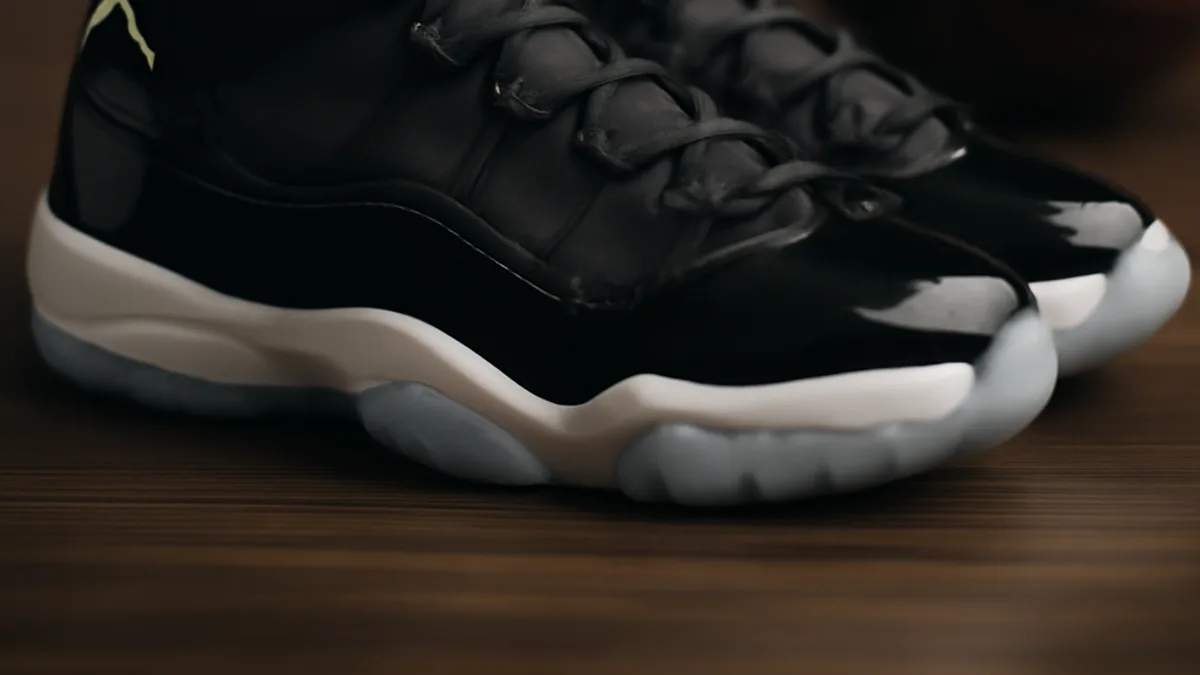
The Air Jordan 11 is not just a sneaker; it's an iconic piece of basketball history that has transcended the court to become a cultural symbol. Since its debut in 1995, the Air Jordan 11 has seen numerous iterations and retros, making it essential for collectors to know the intricacies of authentication. Understanding the differences in design and materials between versions can help you determine whether a pair is legitimate or a counterfeit.
Key Features of the Original Release
The original release of the Air Jordan 11, designed by Tinker Hatfield, featured groundbreaking elements that set it apart from previous models. Notably, it was the first Jordan to incorporate patent leather, a design choice that was both stylish and innovative. The upper was made from a combination of synthetic mesh and leather, while the sole featured a unique translucent rubber. Collectors should look for the following defining features:
- Patent Leather Quality: The patent leather should have a high-gloss finish, and it should be smooth to the touch.
- Jumpman Logo: The size and positioning of the Jumpman logo on the tongue should match authentic pairs; original releases have a different shape and placement compared to later retros.
- Sole Construction: The outsole is translucent, with a distinct carbon fiber plate that adds both performance and aesthetic appeal.
Understanding Retro Releases
Since its original launch, the Air Jordan 11 has seen several retros, including the popular "Concord," "Bred," and "Space Jam" colorways. Each retro often comes with modifications based on updated technology, materials, and design sensibilities. For example, the 2000 retro of the "Concord" featured differences in the shape and height of the patent leather cut compared to the 1995 original. Some other notable changes across retros include:
- Box and Packaging: Each retro release often comes with unique packaging; familiarizing yourself with the box designs can provide clues to authenticity.
- Insole and Branding: Retro versions have varied insoles with different branding; check the insole for any inconsistencies in logos or tags.
- Production Dates: The production dates found on the tags can help verify if the pair aligns with the release period of the respective retro.
Spotting Counterfeits
As the popularity of the Air Jordan 11 has surged, so too has the prevalence of counterfeit pairs. It’s crucial for collectors to know what to look for when assessing the authenticity of a pair. Here are some red flags to be aware of:
- Stitching Quality: Authentic pairs will have clean, consistent stitching without loose threads or irregular patterns.
- Weight: Counterfeit versions often use cheaper materials, making them lighter than original pairs. If it feels too light, it could be a fake.
- Price Point: If a deal seems too good to be true, it probably is. Authentic Air Jordan 11s tend to maintain their value over time.
What Makes a Correct Pair?
For collectors, a "correct" pair of Air Jordan 11s embodies a combination of precise detailing and original specifications. When assessing a pair, it’s important to evaluate the following aspects:
- Shape and Proportions: Original pairs have a distinct shape that has been mimicked in retros but can differ subtly. Compare the silhouette to known authentic models.
- Color Accuracy: The shade of the colorway should be spot-on; variations in color can indicate a counterfeit.
- Details and Materials: Ensure the materials used are consistent with authentic pairs, such as the proper type of patent leather and the texture of the mesh.
By familiarizing yourself with these details, you can significantly reduce the risk of acquiring fake Air Jordan 11s and enhance your collection with authentic pieces that celebrate the legacy of Michael Jordan and the sneaker culture.